
0%
Backed by 4+ years of research and clinical validation
~ 85-90% Sensitivity
~ 75-80% Specificity
Flagged ischemic changes
from both obstructive
and non-obstructive CAD
Performed better than
traditional treadmill
ECG tests in patients
from both wellness and
perfusion testing labs
PulzCAD™ isn't just a better tool — it's a clinically validated breakthrough in cardiac diagnostics.
Scroll to Known more
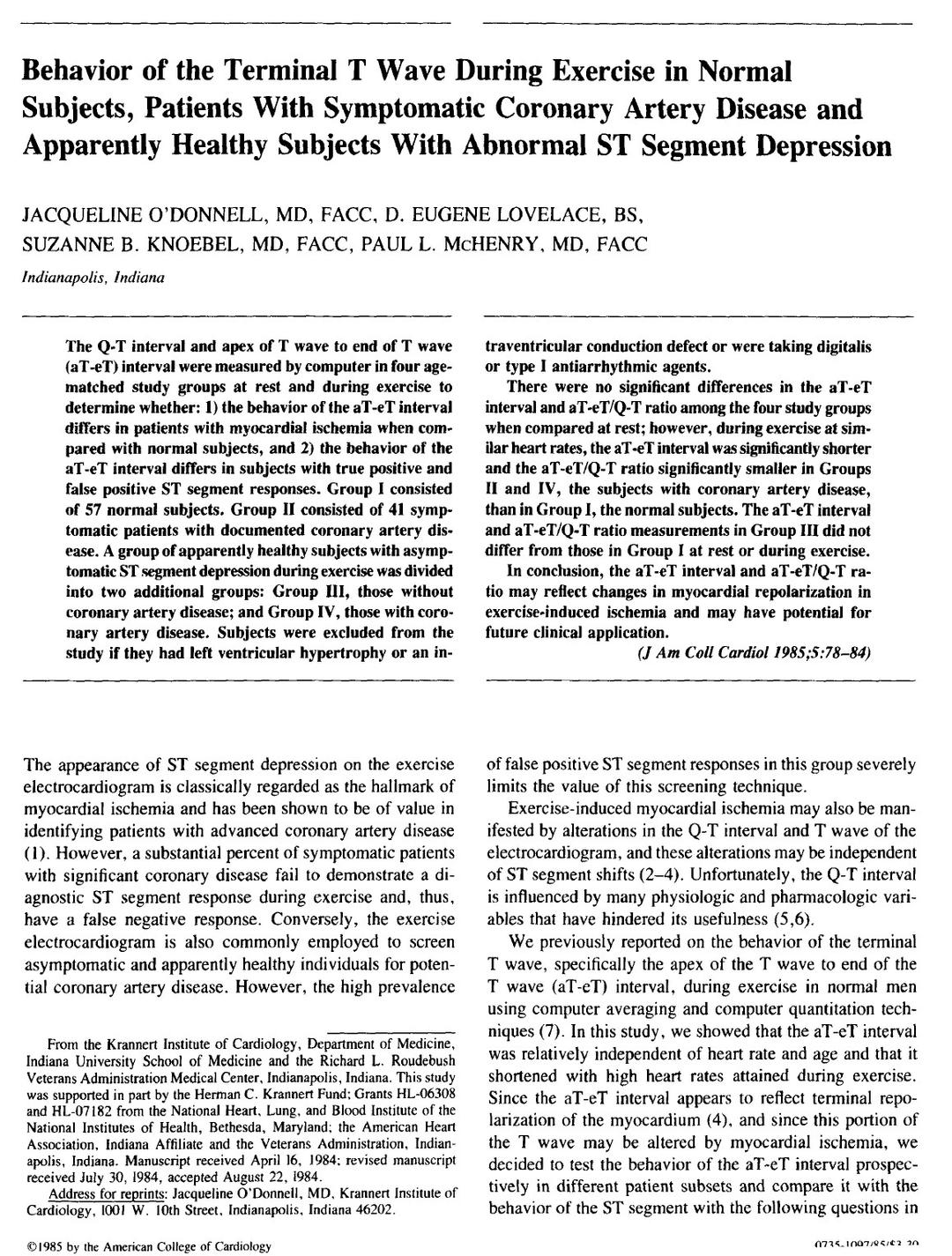
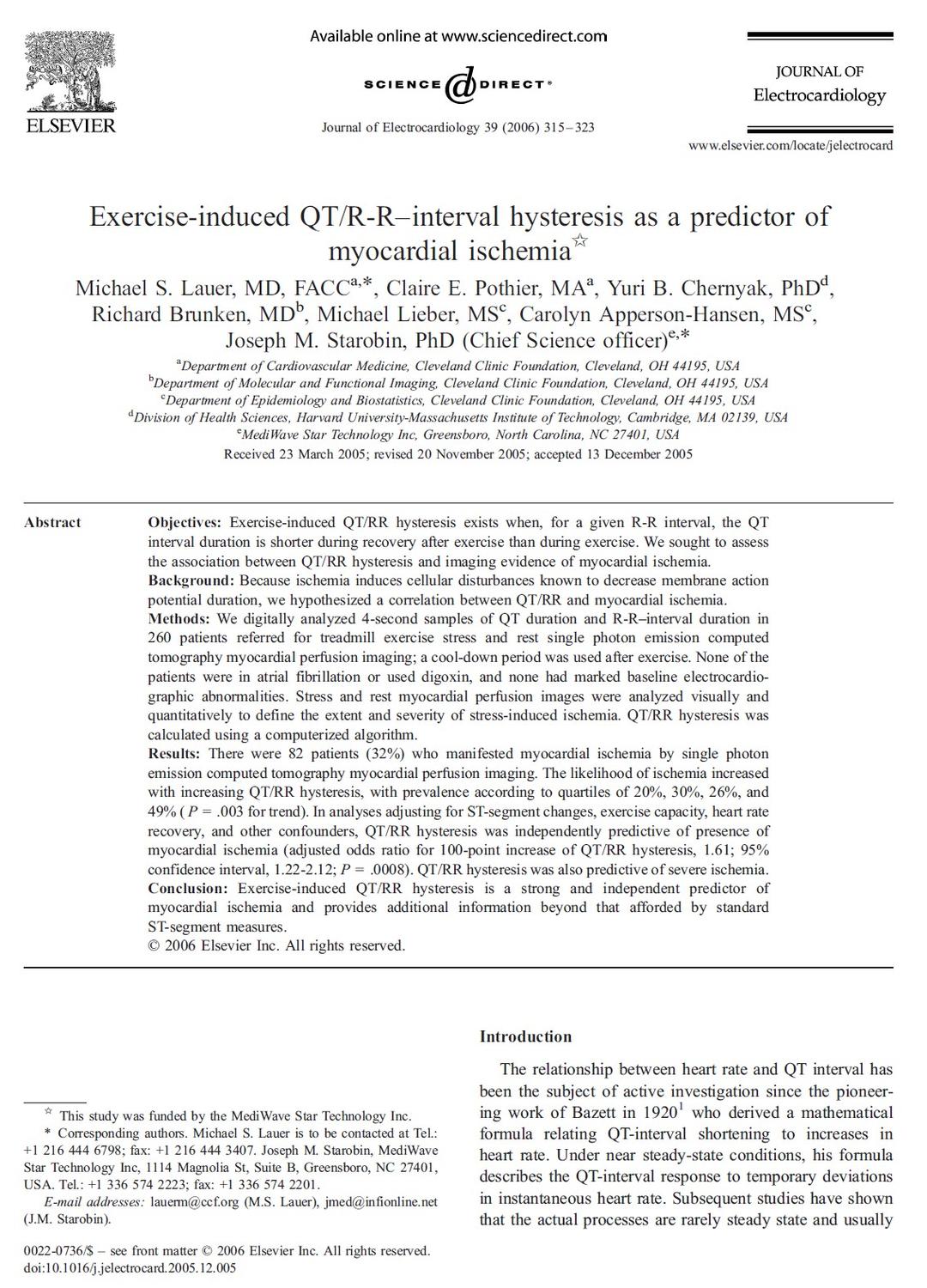
20+ Years of medical research on stress ECG analysis has identified numerous new ECG features to explore beyond ST segment depression
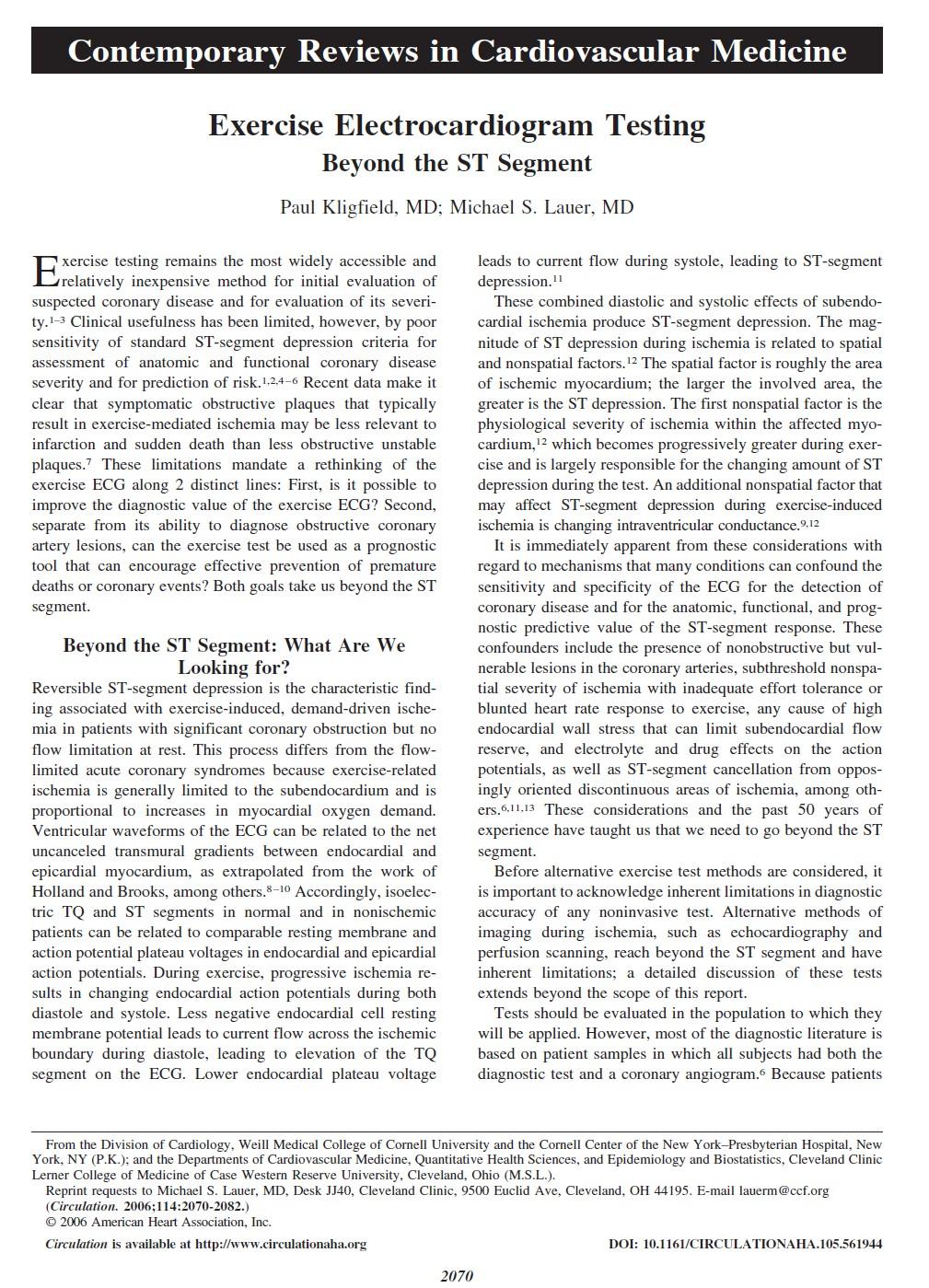
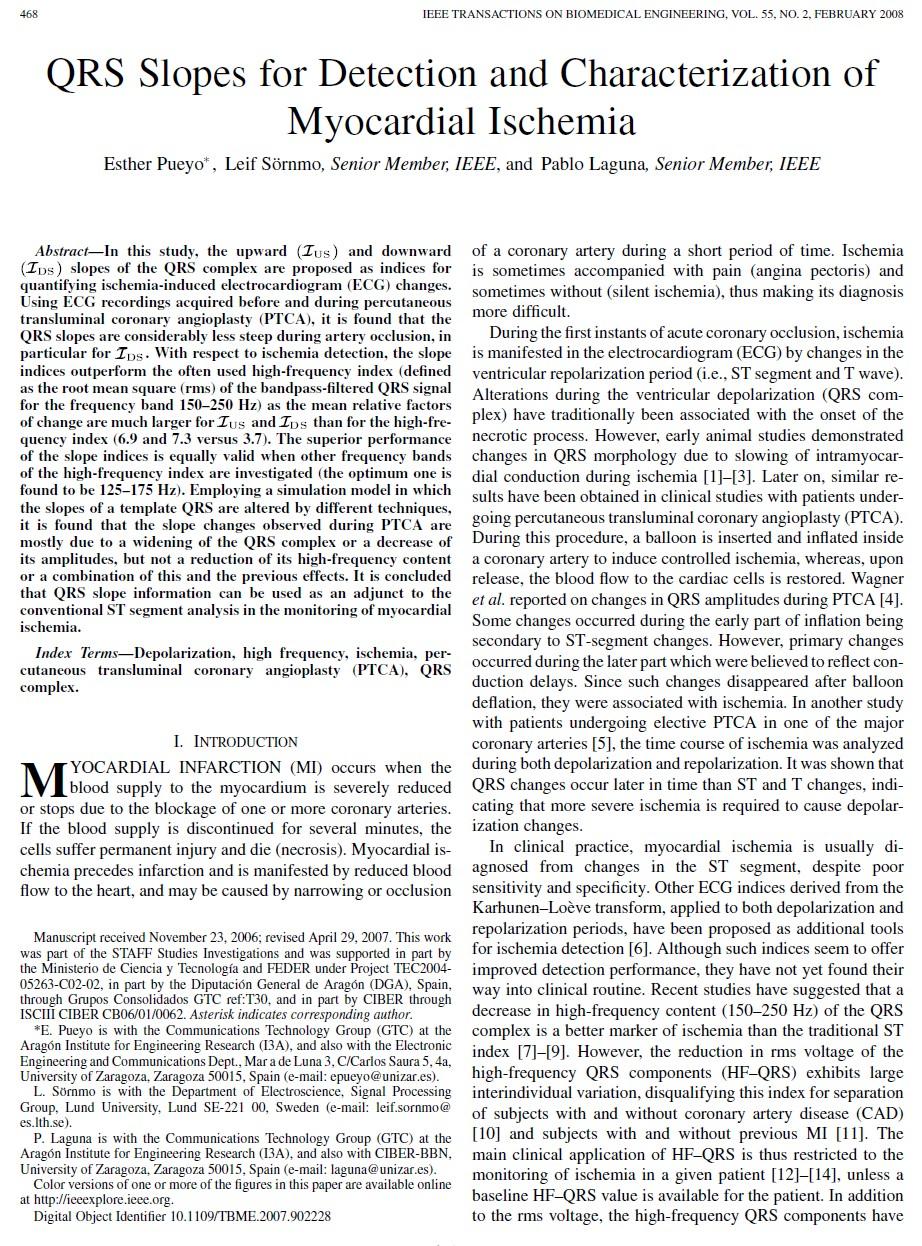
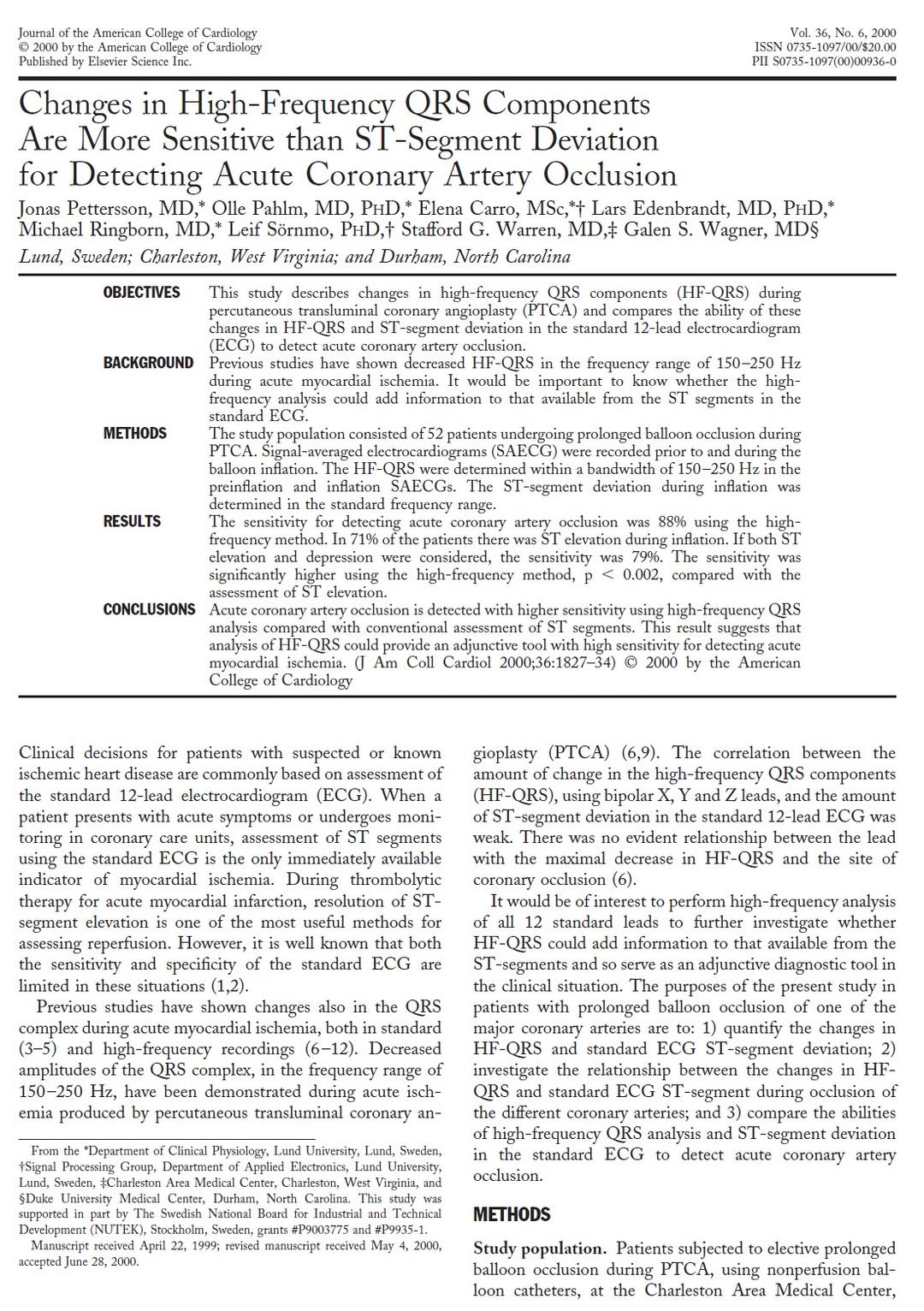
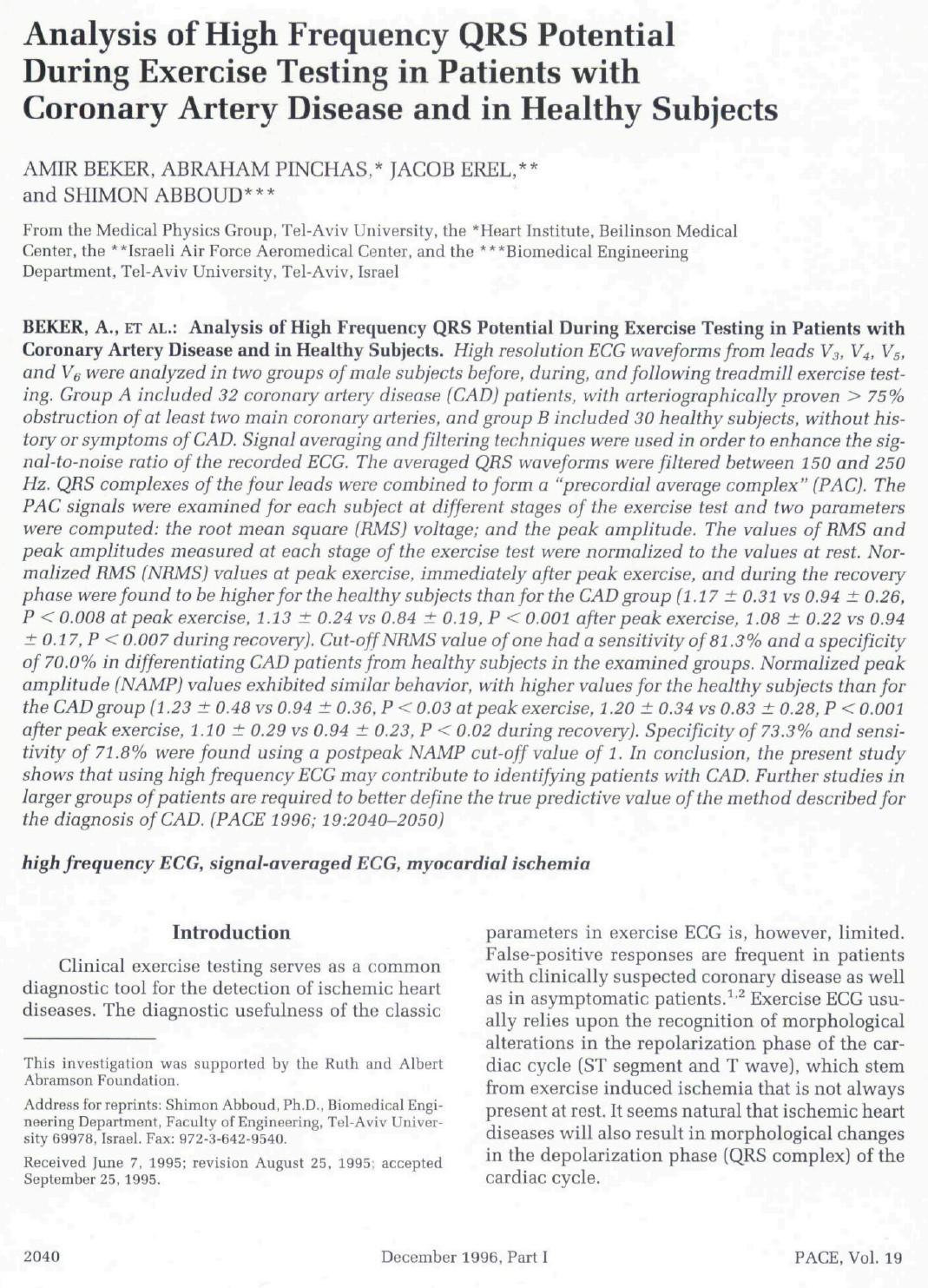
QRS segment features such as high frequency components, QRS score, etc.
ST segment features such as recovery phase and slope characteristics
T-wave features such as rise/fall slope locations and ratios, QT distance, etc.
How We Tested PulzCAD™
Research & Development
(300+ Patients)
R&D
PulzCAD™ was used alongside traditional treadmill tests on patients already undergoing nuclear stress tests, catheter coronary angiogram, or cardiac CT angiograms scans.
Blind Validation
(250+ Patients)
Validation
PulzCAD™ results were analyzed without knowledge of CT/angiogram outcomes to assess objective performance.
Data from Two Cohorts
Wellness Clinic
Routine checks using traditional Stress ECG and Cardiac CT Angiogram
Nuclear Perfusion Testing Lab
With known/suspected CAD using nuclear stress test or angiogram
Final analysis performed on 190+ patient
samples after quality screening.

* Beyond Obstructive CAD: PulzCAD also flagged non-obstructive cardiac abnormalities that could be causing ischemic conditions at higher heart rates such as myocardial bridging, Type III LAD, small and diffuse vessels, HCM, etc.

PulzCAD picks up critical ECG changes during stress — before symptoms become severe.


Backed by peer-reviewed methods and medically interpretable ECG features.

Fewer false positives/negatives compared to outdated treadmill ECG methods.


Test, process, and generate scores — all within ~5 minutes of completing the stress test.